Traveling by Bus from Kuching to Sibu: Your Complete Guide
Sarawak is a land of winding rivers, dense rainforests, and vibrant cities, and for many travelers, the journey between these destinations is just as memorable as the arrival. If you’re planning a trip across this Malaysian state, the route from Kuching to Sibu is a classic. While flights are available, taking the bus offers a unique window into the local landscape—and it’s far kinder to your wallet.
Whether you’re a local heading home for the holidays or a backpacker exploring Borneo for the first time, traveling by bus is an increasingly popular choice. The roads have improved, the coaches are more comfortable than ever, and the scenery along the Pan Borneo Highway is hard to beat. In this guide, we’ll walk you through everything you need to know about taking the bus from Kuching to Sibu, from booking your ticket to stepping off at the terminal.
Why Choose the Bus?
When you compare flying versus taking the bus, the plane might win on speed, but the bus wins on almost every other front—especially if you value budget and experience.
Cost-Effectiveness
Let’s be honest: travel costs add up. A flight ticket can fluctuate wildly depending on the season, but bus fares remain relatively stable. A one-way ticket typically costs between RM 50 and RM 70 (approx. £9–£12). This makes it an incredibly affordable option, leaving you with more budget to spend on Sarawak’s famous laksa or kolok mee once you arrive.
Comfort
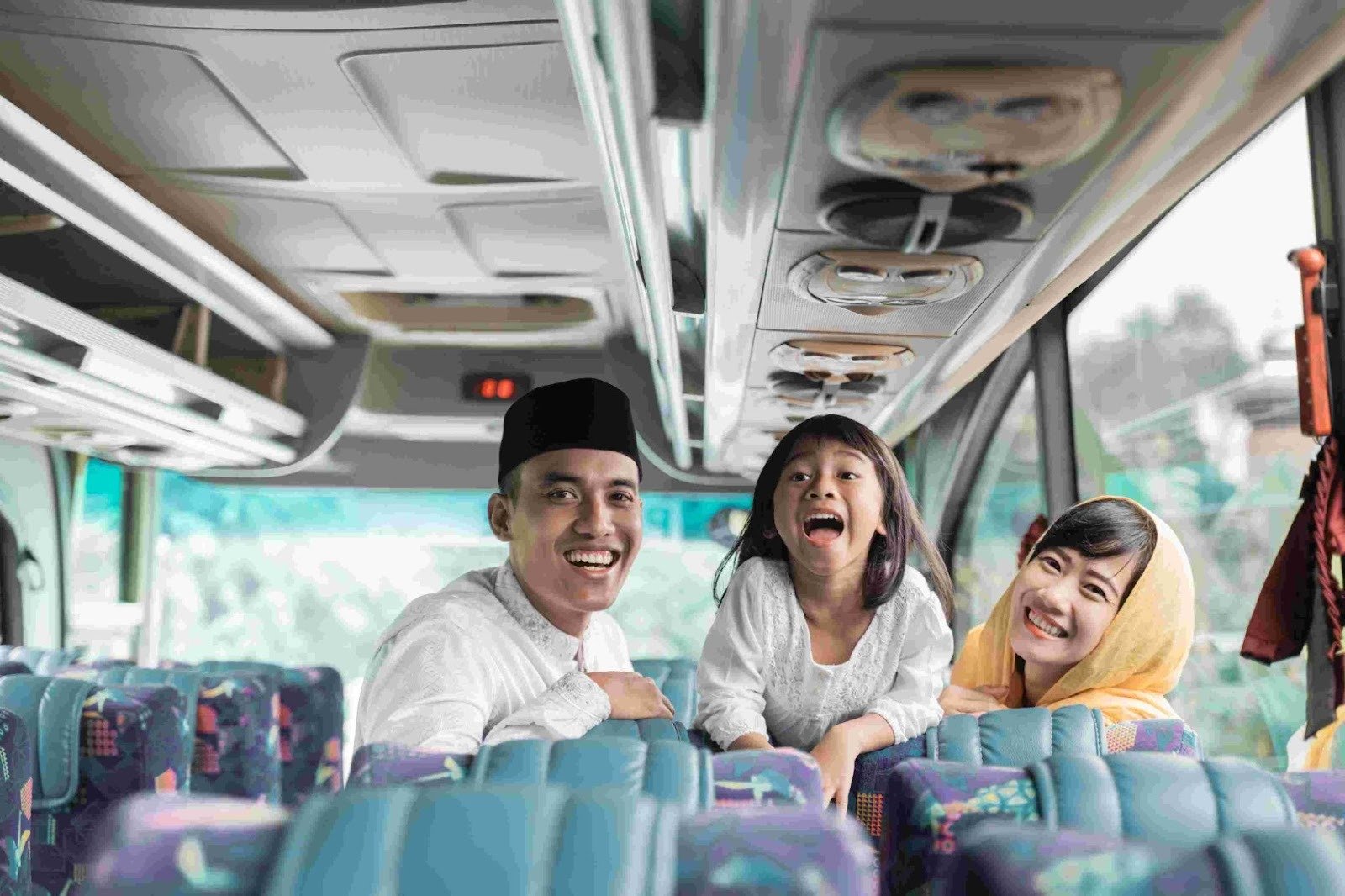
Gone are the days of cramped, rickety buses. Modern express buses operating this route are generally equipped with “VIP” seating arrangements. This usually means a 2+1 seating configuration (two seats on one side of the aisle, one on the other), offering ample legroom and reclining seats that allow you to snooze comfortably during the 7-to-8-hour journey.
The Scenic Route
There’s something grounding about watching the landscape shift from the bustling streets of Kuching to the rolling hills and palm plantations of rural Sarawak. It gives you a sense of scale and connection to the land that you simply miss when you’re cruising at 30,000 feet.
Popular Bus Operators
Several reputable companies operate the Kuching to Sibu route daily. While service standards are generally consistent, it helps to know who the main players are.
Biaramas Express (Bus Asia)
A long-standing favorite in Sarawak, Biaramas (often branded as Bus Asia) is known for its reliability and frequent schedules. They offer solid, standard executive coaches that get you from point A to point B safely.
EVA Express
If comfort is your priority, EVA Express is a strong contender. They are often praised for their well-maintained buses and spacious seating. Their “Super VIP” coaches are designed for long-haul comfort, making that 8-hour stretch feel much shorter.
Sungei Merah
Another reliable operator, Sungei Merah, is frequently cited for its punctuality. Their buses are generally clean and air-conditioned, providing a no-nonsense, comfortable service.
Other Notable Mentions
You might also see listings for Kapit Bus Express and MTC Express. These are legitimate operators that often fill the gaps in the schedule, providing more options if your preferred timing is sold out with the bigger names.
See also: When Does a Camping Solar Panel Become Truly Necessary?
How to Book Your Tickets
In the past, you had to physically go to the terminal to buy a ticket. Today, you have options that suit both the planner and the spontaneous traveler.
Online Booking Platforms
The easiest way to secure your seat is by booking online. Platforms like Easybook aggregate schedules from all the major operators.
- Pros: You can compare prices, check seat availability in real-time, and often score discounts or loyalty points.
- How to do it: Simply select your travel date, choose your preferred seat (window seats are great for the views!), and pay via credit card or online banking. You’ll receive an e-ticket to show at the counter.
Buying at the Terminal
If you prefer flexibility, you can buy tickets directly at Kuching Sentral.
- The Process: Head to the ticketing counters on the ground floor. Note that there is no centralized ticketing system for all buses; you often have to go to the specific counter of the operator you want to use.
- Warning: During festive seasons like Gawai Dayak or Chinese New Year, tickets sell out weeks in advance. Do not rely on walk-in purchases during these peak times!
What to Expect on the Journey
The journey from Kuching to Sibu covers approximately 315 to 400 km (depending on the specific route taken along the highway) and typically takes between 7 and 9 hours. Here is a breakdown of the experience.
Departure: Kuching Sentral
Your journey begins at Kuching Sentral, located about 20 minutes from the city center and just 5 minutes from the airport. It’s a modern transportation hub that doubles as a shopping mall.
- Facilities: You’ll find ATMs, a food court, convenience stores (perfect for stocking up on snacks), and clean restrooms.
- Boarding: Arrive at least 30 minutes before departure. You may need to exchange your online booking confirmation for a physical boarding pass at the counter.
The Ride
Once you’re on the road, expect powerful air conditioning—Malaysian buses are notoriously chilly! The ride is generally smooth, though parts of the Pan Borneo Highway may still be under construction or upgrades, which can occasionally slow things down.
Rest Stops
The bus will usually make one or two scheduled stops for food and toilet breaks. The most common stop is around the town of Serian or later at Jakar or Betong.
- The Food: These rest stops are excellent places to grab a quick, cheap meal. Local favorites like fried rice, noodles, and fresh fruits are widely available.
- Toilets: Facilities at rest stops are basic. It’s wise to bring your own tissue and hand sanitizer.
Arrival: Sibu Bus Terminal
You will arrive at the Sibu Bus Terminal on Jalan Pahlawan. It is located slightly outside the main town center. From here, you can easily grab a GrabCar or a local taxi to your hotel or the Sibu Wharf.
Essential Travel Tips
To ensure your trip is as smooth as possible, keep these tips in mind:
- Pack a Jacket: As mentioned, the air conditioning can be freezing. A hoodie or light blanket is a lifesaver.
- Bring Snacks and Water: While there are rest stops, having your own supply ensures you won’t go hungry if the bus is delayed.
- Charge Your Devices: Some newer buses have USB charging ports, but it’s not guaranteed. Bring a fully charged power bank just in case.
- Stay Safe: The route is generally very safe, but always keep your valuables in your carry-on bag rather than stowing them in the luggage compartment under the bus.
Exploring Sibu: A Quick Guide
Once you’ve stretched your legs and dropped off your bags, Sibu has plenty to offer. Known for its strong Fuzhou heritage, it’s a foodie’s paradise.
- Sibu Central Market: The largest indoor market in Malaysia. It’s a sensory overload in the best way possible—look out for the live chickens wrapped in newspaper!
- Tua Pek Kong Temple: An iconic 7-storey pagoda that offers a great view of the Rejang River, especially at sunset.
- Sibu Heritage Centre: A great spot to learn about the diverse ethnic groups of the region and the history of Sibu’s early settlers.
- Rejang Esplanade: Perfect for a leisurely evening stroll along the mighty Rejang River.
Ready to Hit the Road?
Taking the bus to Sibu is more than just a transit option; it’s an introduction to the pace and landscape of Sarawak. It’s affordable, comfortable, and straightforward, allowing you to relax and watch the world go by.
So, book that ticket, pack your sweater, and get ready for a road trip through the heart of Borneo.