Backcountry Basics: Building The Perfect Lightweight Hiking Kit
The preparation for backcountry trekking pays off if done properly. Being light helps avoid exhaustion and makes trekking easier, as well as allows one to concentrate on enjoying the process and not having to carry everything around. It is important to be efficient and select the gear that will have several uses at once while being compact and light. Below are the five basic principles that need to be followed in order to form an effective backcountry packing system.
Shelter and Sleep Systems
Reliable shelter is essential for any backpacker’s gear. Lightweight tents, tarp, and bivy sacks provide protection against weather elements and bugs, without adding too much to the weight. Advances in material technology make it possible for a shelter to be lightweight and durable. Combining the shelter with a sleeping system can improve recovery following a grueling day hiking through the wilderness. Insulated sleeping pads and sleeping bags give you warmth, while a wide range of models can be compressed to minimize bulkiness. Choosing gear that matches the anticipated weather conditions will prevent carrying unnecessary equipment that provides insufficient insulation.
Nutrition, Hydration, and Food Planning
Maintaining adequate levels of energy while backcountry camping requires good management of food and water resources. The consumption of light, high-calorie foods such as dehydrated foods, nuts, and energy bars is ideal because they deliver enough energy but do not contribute to excess weight. The amount of food consumed per day during the camping period has to be determined according to the number of calories required and the complexity involved. The method used to carry water can include the use of bottles, portable reservoirs, or hydration packs. It is vital to invest in purification methods like filters or tablets when collecting water from natural sources.
Tools and Gadgets for Efficiency
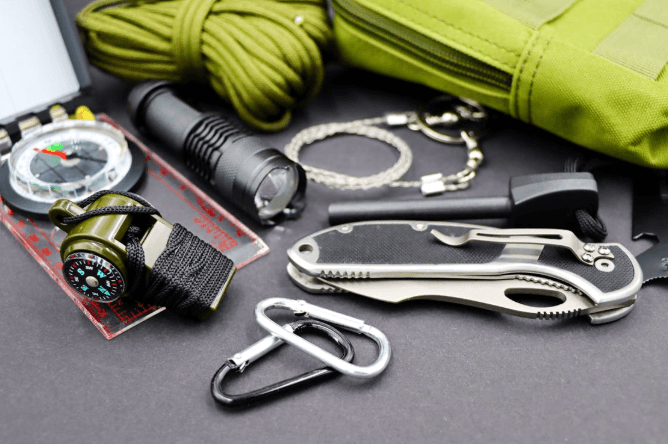
Smartly selected compact tools could make a huge difference in their efficiency in the field. The use of multi-tool items would cut down the need to carry individual items, thus saving on both weight and space. It would be great to have repair-related items such as tapes, ropes, and some minor tools included in the tool kit. Lighting gadgets like headlamps with different levels of brightness will help in seeing at dawn and dusk. Many hikers also invest in practical pocket knives that assist with food preparation, gear adjustments, and minor repairs. Selecting tools that serve multiple roles helps streamline your kit while maintaining readiness for common tasks encountered on the trail.
Clothing Layers and Weather Adaptability
Clothing decisions can make an impact on both safety and comfort in situations that involve a certain level of unpredictability. The three main components of a good layering system consist of a moisture-wicking base layer, an insulation middle layer, and a protective outer layer. Each layer performs its specific functions, making it possible for hikers to adjust body temperature when needed. Breathable fabric will assist in managing sweat, while waterproof layers will protect against rain and wind. In addition, multi-use clothing will minimize the number of pieces of clothing that a hiker carries, thus being able to use a single item in various situations.
See also: How to Extend Smartphone Battery Life Effectively
Navigation and Safety Essentials
Navigation equipment is essential for keeping oriented and mitigating any unnecessary hazards. Both traditional mapping techniques and modern technology serve as backup in the event that either system fails. Even with the advent of GPS systems, compass knowledge still comes in handy because the battery life may run out or the signal might not reach certain isolated places. Other necessary components that must always be included in an emergency kit include a first-aid kit, a whistle, a headlamp, and an emergency shelter. These components contribute to being ready for any small wounds, delays, or reduced visibility. Satellite messengers or personal locator beacons provide an extra safety net in areas where there is no cell phone network.Formulating an ideal pack for hiking trips involves a delicate balance between many factors, including careful consideration and anticipation of future needs. These components include shelter, clothing, food, navigation equipment, and tools, and they work together to create a unified system of support. It’s important to consider versatility and utility in selecting items, rather than simply gathering lots of equipment. Over time, your likes will change, enabling even more optimization. Careful selection will allow you to enjoy your adventures without carrying excess baggage.