What Setup Mistakes Reduce Solar Panel Efficiency?
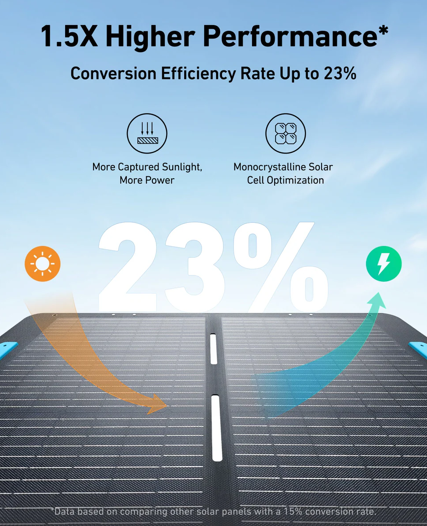
Solar panels perform best when they receive direct, unobstructed sunlight and are positioned to capture the strongest light throughout the day. However, many campers unknowingly set up their panels in ways that limit performance. Small errors—like placing the panel at the wrong angle, using unstable connections, or overlooking shadows—can drastically reduce charging output. Understanding these mistakes helps campers generate more reliable power, especially on trips that depend on solar energy for lighting, navigation, cooling devices, or communication. The Anker SOLIX PS100 Portable Solar Panel is built to deliver efficient charging in outdoor environments, thanks to its high conversion efficiency, adjustable angles, rugged ETFE coating, and durable MC4 connection. But even with strong engineering, proper setup is essential for peak performance.
Common User Errors That Reduce Solar Panel Output
Incorrect Panel Angles Fail to Capture Direct Sunlight
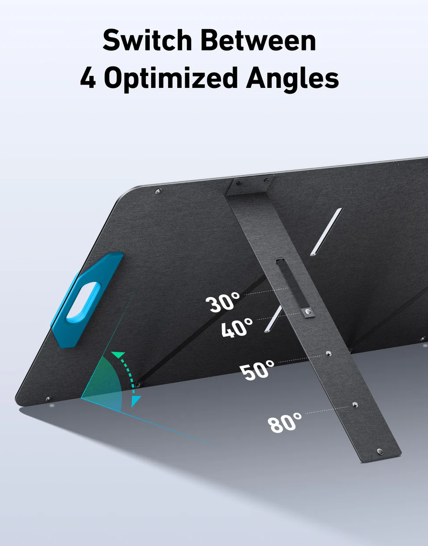
Direct sunlight is the most critical variable in solar power generation, and angle determines how much of that light reaches the panel. Campers often set panels flat on the ground or prop them up without considering the sun’s position. When sunlight hits the cells at a shallow angle, less energy is absorbed and wattage drops significantly. This is especially noticeable during morning and late afternoon hours. The PS100 solves part of this issue by offering four preset angles—30°, 40°, 50°, and 80°—so campers can easily adjust based on time of day and season. Using the correct angle can double the effective charge compared to an incorrectly positioned panel. Paying attention to sunlight direction, even with just a few simple adjustments, dramatically improves overall charging performance.
Partial Shading Interrupts the Solar Flow and Reduces Efficiency
Solar panels need full exposure to operate efficiently, but many campers overlook small shadows from tree branches, tents, backpacks, or even thick clouds passing overhead. Even light shading across a small section of the panel can disrupt the electrical flow and cause noticeable drops in output. Forested campsites, mountain terrain, and shifting afternoon light create frequent shadow movement. The PS100’s lightweight design makes it easy to reposition throughout the day when shadows appear. A quick relocation or angle change restores full exposure. Campers who monitor their surroundings and eliminate shade consistently achieve stronger and more stable charging throughout the day.
Surface Dust, Moisture, or Debris Block Sunlight Absorption
Outdoor environments constantly expose panels to dust, pollen, water droplets, or fallen leaves, which block sunlight and reduce efficiency. Many campers forget to check the panel during the day, assuming sunlight will penetrate small debris. But even a thin layer of dust scatters light and lowers conversion. The PS100’s ETFE coating keeps the surface resistant to scratches and makes it easy to wipe clean when dust or moisture builds up. Regular checks—especially in windy or sandy areas—ensure the panel receives unobstructed light. Campers who clean the surface before each charging session maintain consistent wattage and avoid preventable energy loss.
Operational Mistakes That Affect Solar Charging Performance
Poor Sun Tracking Causes Panels to Miss Peak Charging Hours
The sun moves continuously, which means a stationary panel will only receive optimal sunlight for a limited window. Many campers set their solar panels in one spot and forget about them, resulting in hours of suboptimal charging. Repositioning the panel even twice during the day greatly increases total energy collected. The portable solar panels PS100’s adjustable angles help align the panel more precisely to the sun, whether the light is overhead or low on the horizon. By checking the panel at mid-morning, midday, and late afternoon, campers ensure consistent performance and fill power stations faster. Tracking sunlight is a simple habit that has a significant impact on energy output.
Loose or Unsuitable Cable Connections Restrict Power Flow
Good sunlight alone cannot guarantee efficient charging—stable electrical connections matter just as much. Improperly fitted cables, worn connectors, or plugs positioned under tension can cause intermittent charging or reduce conductivity. The PS100 features a reliable MC4 connection that improves power stability and minimizes energy loss. Still, campers must ensure that the cable is fully inserted, not twisted, and kept clear of debris or poles that might cause strain. A secure connection supports steady charging throughout the day, preventing the slow trickle or disruptions caused by loose or incompatible cable setups.
Placing the Panel in Low-Exposure Campsite Locations Limits Daily Output
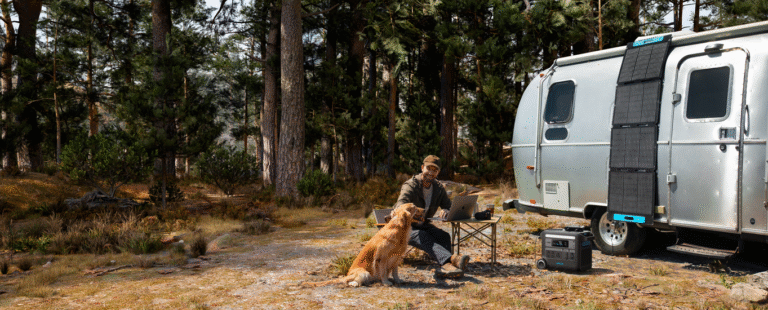
Campers often choose shady or scenic spots for tents, but these same locations may not provide adequate sunlight for charging. Setting up panels too close to cliffs, dense trees, or tall tents limits the hours of direct exposure a panel receives. Valleys, forests, and riverbanks typically lose sunlight earlier in the afternoon, cutting charging time short. The PS100’s foldable design and 4.4 kg weight make it easy to move to a distant sunny patch while the campsite remains shaded. Placing the panel in an open clearing or on elevated ground ensures it receives stronger light for longer portions of the day. Selecting the right position often makes more difference than any technical adjustment.
See also: AI in Fraud Detection Technology
Conclusion
Solar panels offer dependable power during outdoor trips, but setup mistakes significantly reduce their performance. Incorrect angles, partial shading, and surface debris limit the amount of sunlight that reaches the cells. Poor sun tracking, unstable cable connections, and low-exposure campsite locations further restrict overall charging potential. With smarter setup habits, campers can generate stronger and more reliable power throughout the day. The Anker SOLIX PS100 Portable Solar Panel supports high efficiency with adjustable angles, durable ETFE construction, IP67 protection, and a stable MC4 connector, making it well suited for outdoor conditions. When campers avoid these common errors and adopt consistent charging practices, they unlock the full capability of portable solar panels, creating a dependable, renewable power source for every adventure.