Portable Solar Generators for Camping and Emergencies
Portable solar generators provide fast access to power for camping vacations and emergencies. They operate silently, require no fuel, and may be recharged using solar panels, power outlets, or cars. Whether you’re deep in the woods or suffering a power outage at home, a solar generator keeps phones charged, lights on, and other equipment operational. Choosing the proper unit requires balancing mobility, power output, and device compatibility. This tutorial outlines what these generators can power, how to select one for dual usage, and why they’re great for both outdoor activities and disaster preparedness. Reliable power is just a wise choice away.
What Can Portable Solar Generators Power in Camping and Emergencies?
Powering Phones, Radios, and Emergency Communication Devices
Keeping communication devices charged is critical whether camping or experiencing a power outage. Phones, two-way radios, and weather radios all require little power—typically less than 10 watts—so even modest solar generators may run them for several days. A 300Wh unit can charge a phone more than 20 times or power a radio for hundreds of hours. Generators with USB-A, USB-C, and 12V DC connections make charging simple and effective. You may also use GPS trackers and emergency beacons without depleting the battery. Staying connected to emergency warnings, family, or rescue services is available wherever your generator provides consistent, off-grid power.
Running Camping Gear and Small Appliances Off-Grid
Portable solar generators can power essential camping equipment such as LED lights, fans, electric stoves, and even tiny fridges. LED lights require 5-10 watts, while low-watt fans use 15-30 watts, providing hours of comfort and visibility from a mid-sized 500Wh generator. Small coffee makers and induction cookers may demand up to 800 watts, so be sure the power draw matches the generator output. Solar panels can be used throughout the day to power rechargeable lanterns and headlights. Generators with AC outlets increase interoperability, allowing for additional appliance alternatives. With the appropriate arrangement, you can camp comfortably while being fully powered off the grid.
Supporting Medical Devices and Essential Home Electronics
During an emergency, powering medical equipment such as CPAP machines and refrigerated pharmaceuticals is vital. CPAP machines generally require 30-60 watts per hour and can be safely powered by a 500-1,000Wh generator. When you add a humidifier, the wattage may double. Refrigerators containing insulin or medication may require 100-200 watts but only cycle on occasion. Essential household equipment such as Wi-Fi routers, modems, and laptop computers also operate within this power range. A dependable solar generator keeps life-saving gadgets running quietly and without emitting any pollutants. To prevent delicate electronics from being damaged, always confirm compatibility with a pure sine wave inverter. In an outage, clean, quiet power may actually keep your necessities running.
How Do You Choose a Portable Solar Generator for Dual Use?
Power Capacity, Output Watts, and Runtime Needs
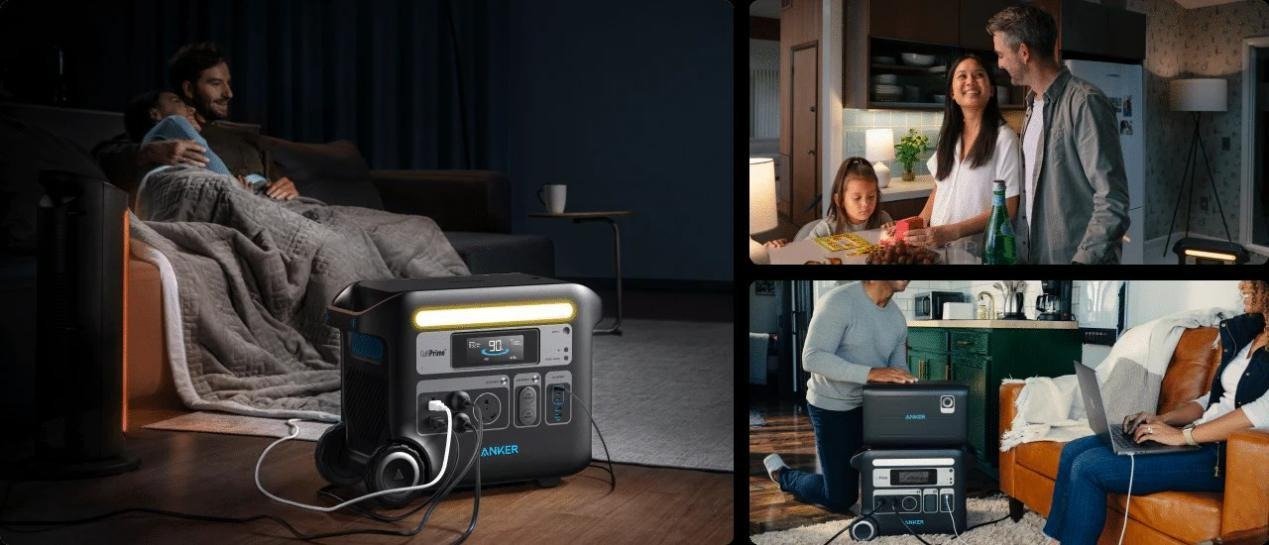
To choose the right solar generator, start by listing your devices and estimating total daily energy usage in watt-hours. For example, a phone might require 15Wh per charge, while a CPAP machine can use over 400Wh per night. Add these together to determine your capacity needs. The Anker SOLIX F2000 Solar Generator, with its 2048Wh capacity and 2400W output, is ideal for powering multiple high-demand devices at once. Its 12 ports and expandable capacity to 4096Wh offer flexibility for home or outdoor use. Always choose a generator with continuous output that exceeds your largest load and leave a 20% buffer for battery longevity and consistent performance.

Portability, Weight, and Ease of Transport
Portability is essential for camping and emergency situations. Small units weighing less than ten pounds can be easily transported in backpacks or stored in automobiles. Mid-sized versions weighing 20-40 pounds provide greater power, but they require handles or carts to move. Choose a style that matches your space and strength; some models have retractable handles or wheels for increased mobility. Compact designs are readily stored in closets or beneath chairs. Durable housing protects the item during transportation or severe handling. Beginners should strive for a weight-to-capacity ratio that ensures the generator is strong enough to meet their demands while being manageable for rapid relocation.
See also: Company Knowledge Base: Unlocking Productivity and Knowledge at Scale
Charging Options: Solar Panels, Wall Outlets, and Car Charging
Multiple charging options increase the versatility of a solar powered generator. Solar panels are required for off-grid charging; select foldable 100W or 200W types for mobility. Check that the panel input fits the generator’s charge controller specifications. Wall outlets provide speedier charging at home, frequently recharging a 1,000Wh device in 6-8 hours. Car charging through a 12V port is slower but useful on the road. Some versions offer dual charging (solar and AC) for quicker recharges. In an emergency, the more charging choices you have, the better your generator will work. Always include cables, adaptors, and weatherproof connectors for all probable charging conditions.
Conclusion
Portable solar generators provide dependable, flexible electricity when and where you need it the most. During crises or camping vacations, they provide power for phones, lights, medical equipment, and small appliances without using fuel or making any noise. Choosing the proper model entails aligning power requirements, runtime, and mobility to your lifestyle. Dual-use systems with different charging options keep you prepared at home or on the trail. Whether you’re planning a weekend getaway or dealing with a power outage, solar generators provide peace of mind and energy independence. With proper planning and equipment, you’ll be able to stay connected, safe, and comfortable no matter what happens.