AI in Energy Management Technology
AI is transforming energy management technology by enhancing efficiency and reducing costs. Its capacity for real-time data analysis allows organizations to optimize energy distribution and minimize waste. Predictive analytics further supports accurate demand forecasting, aligning consumption with generation capabilities. However, the integration of AI with renewable energy sources presents both opportunities and challenges. Understanding these dynamics is crucial for navigating the evolving landscape of energy management. What implications will these advancements hold for the future?
The Role of AI in Optimizing Energy Consumption
As organizations increasingly face the dual challenges of rising energy costs and environmental sustainability, the integration of artificial intelligence (AI) in energy management has emerged as a pivotal strategy to optimize energy consumption.
AI enhances energy efficiency by analyzing real-time data within smart grids, enabling dynamic adjustments to energy distribution. This capability not only reduces waste but also empowers organizations to make informed decisions, fostering sustainable energy practices.
Predictive Analytics and Demand Forecasting
While energy demands fluctuate due to various factors, predictive analytics plays a crucial role in enhancing the accuracy of demand forecasting within energy management systems.
By analyzing historical data, organizations can implement effective demand response strategies, optimizing energy efficiency.
This proactive approach not only reduces operational costs but also aligns consumption patterns with generation capabilities, fostering a more resilient and sustainable energy ecosystem.
Integrating Renewable Energy Sources With AI
Integrating renewable energy sources with artificial intelligence (AI) presents a transformative opportunity for optimizing energy systems, particularly in the context of variability and intermittency.
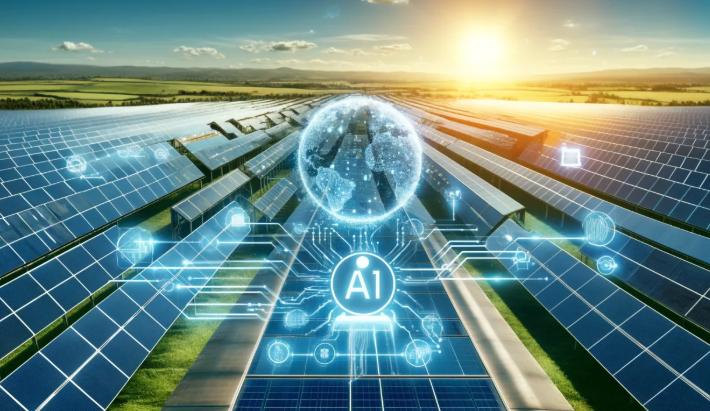
AI facilitates solar integration by predicting energy output and managing storage efficiently.
Additionally, wind optimization leverages real-time data analytics to enhance turbine performance, thereby maximizing energy capture.
This synergy not only increases efficiency but also supports a sustainable energy future.
See also: swaggypoetry
Challenges and Future Prospects of AI in Energy Management
The integration of renewable energy sources with AI has paved the way for significant advancements in energy management; however, several challenges remain that could hinder widespread adoption and effectiveness.
Data privacy concerns, regulatory hurdles, and high implementation costs complicate technology adoption.
Additionally, workforce training is essential for effective use, while ensuring energy equity remains a critical goal to foster inclusive access to AI-driven solutions.
Conclusion
In the evolving landscape of energy management, AI emerges as a compass, guiding organizations through the turbulent seas of rising costs and sustainability challenges. Its ability to optimize consumption and forecast demand symbolizes a lighthouse, illuminating pathways toward efficiency and resilience. However, as the integration with renewable sources unfolds, the horizon presents both opportunities and obstacles, akin to a double-edged sword. The journey ahead, marked by innovation and adaptation, will ultimately shape a sustainable energy future.